
Single and Independent
Although there are many advantages to living single, singles must recognize that when it comes to finances they must prepare differently than married couples. Many married households have two incomes coming in and they can, in theory, rely on each other if an emergency or life change takes place. Single individuals do not have that luxury. They are their own safety net and must prepare accordingly.
To build financial resilience, single individuals should create a plan that provides flexibility, protects against risk, and takes advantage of long-term compounding opportunities.
Cash Management System – Establishing a cash management system (see The Financial Effect blog post, March 17, 2026) is an important foundation for single individuals because it helps monitor spending, build savings, and prepare for unexpected expenses. Your first goal should be to build an emergency fund of at least $5,000 in a high-yield savings account. Keep in mind that $5,000 is a starting point—not the final goal—for your emergency reserve. This account is intended for unexpected expenses such as vehicle repairs, emergency travel, or urgent home repairs, such as replacing a broken water heater.
Your second goal is to continue growing your emergency fund until it can cover three to six months of essential expenses. Essential expenses include living costs, insurance premiums, and debt payments such as mortgages, credit cards, and loans (see The Financial Effect blog post, February 28, 2026). The appropriate size of your emergency fund depends largely on how quickly you could replace your income if you lost your job. For example, if you work in a field where finding new employment typically takes only a few weeks, you may need a smaller reserve. However, if replacing your income could take several months, you may want to maintain more than six months of essential expenses in savings.
Insurance – Health insurance should be a top priority for every single and financially independent person. Although health insurance costs can be high in the United States, maintaining coverage is essential. Going without health insurance can create significant financial burdens while also limiting access to medical care and negatively affecting your health. Without insurance, individuals are responsible for the full cost of medical procedures and treatment. Large medical bills can quickly lead to financial hardship, substantial debt, and, in some cases, bankruptcy.
As a single person, your ability to earn an income is often your most valuable asset. Disability insurance helps protect that asset by replacing a portion of your income if you become unable to work due to an illness, injury, or disability. Many employers offer disability insurance, but employer-provided coverage is often insufficient. Review your existing coverage and consider what would happen if you were unable to work for a year. While emergency savings can help bridge a temporary gap, they are unlikely to provide a long-term solution if your income is interrupted for an extended period.
Additionally, as your net worth grows, you should also consider purchasing an umbrella liability insurance policy. Umbrella insurance provides an additional layer of liability protection above the limits of your existing auto, homeowners, or renters insurance policies. It helps protect your assets if you are found responsible for a large claim that exceeds the limits of your underlying coverage. Because catastrophic claims are relatively rare, umbrella policies are often inexpensive compared to the amount of protection they provide.
Will and Power of Attorney – No one wants to think about dying but, you’ll want to make your wishes known in terms of how your assets are distributed. An easy first step is reviewing your investment accounts, retirement accounts, and bank accounts to ensure beneficiaries and transfer-on-death designations are up to date.
Beyond beneficiary designations, single individuals should establish a will and powers of attorney because they do not have a spouse who can automatically step into certain decision-making roles. Without proper documentation, important decisions may be left to the courts or to family members who may not know your wishes.
A Last Will and Testament is a legal document that outlines how you want your property and belongings distributed after your death. A will allows you to:
- Designate who will inherit your assets.
- Name the person responsible for administering your estate.
- Appoint guardians for minor children.
- Provide instructions for assets or personal property that do not have beneficiary designations.
A good rule of thumb is to review your estate planning documents every three to five years or whenever a significant life event occurs. Personally, I review mine annually in January as part of my overall financial review process.
In addition to a will, you should establish both a financial power of attorney and a medical power of attorney.
A Financial Power of Attorney (POA) is a legal document that allows you to appoint someone you trust to manage financial matters on your behalf if you become unable to do so. Your appointed agent can help manage your finances during periods of illness, injury, incapacity, travel, or other circumstances that prevent you from acting on your own behalf.
Many estate planning professionals consider the financial power of attorney to be one of the most important legal documents because it can help avoid the need for a court-appointed conservatorship if you become incapacitated.
A Medical Power of Attorney (Medical POA) allows you to appoint someone to make healthcare decisions for you if you are unable to communicate or make decisions on your own. Without a medical POA, family members may disagree about your care, healthcare providers may not know who should make decisions, and a court-appointed guardian may be required in certain situations.
Like my will, I review both powers of attorney annually and before any major medical procedure or event where they may become relevant.
Being single does not mean being financially vulnerable—it means being intentional. By building a strong cash management system, maintaining adequate insurance coverage, and putting essential estate planning documents in place, single individuals can create a financial foundation that is both resilient and flexible. While married couples may have the benefit of a built-in support system, singles can achieve the same level of security through thoughtful planning and disciplined execution. The earlier you put these systems in place, the more time you give yourself to benefit from long-term compounding and the greater your ability to navigate life’s unexpected challenges with confidence. Financial independence is about more than managing money; it’s about creating options, protecting yourself from risk, and ensuring that your wishes are carried out no matter what the future holds.
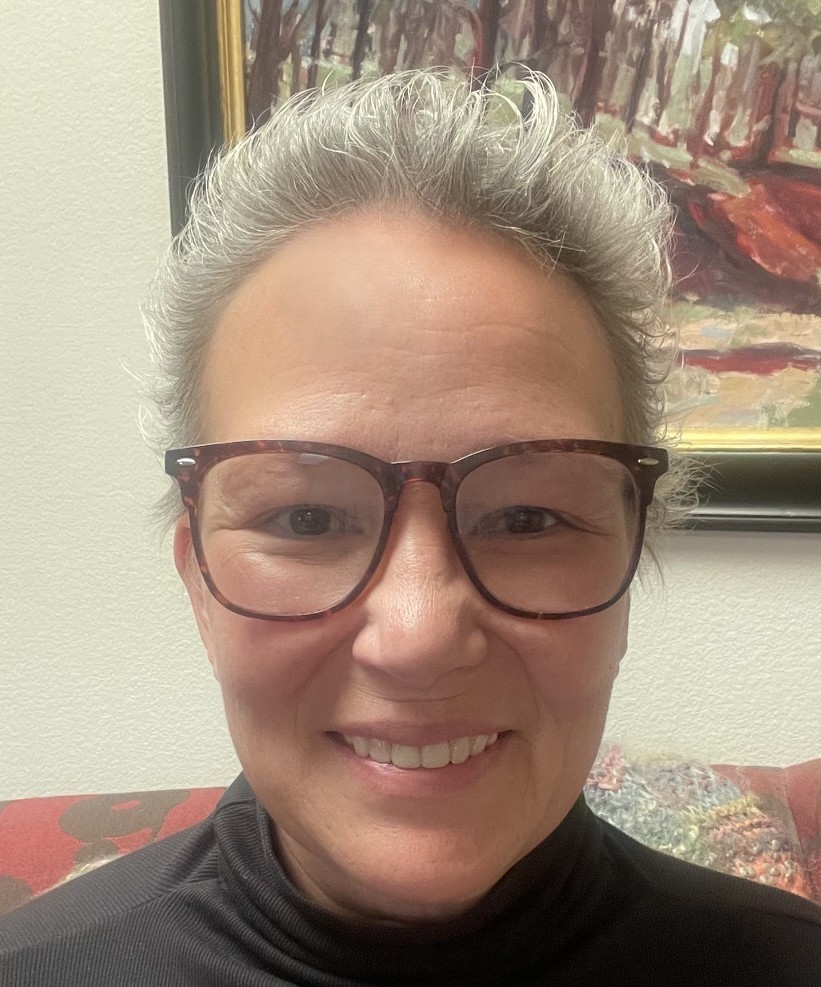
Meet the Author
Marianne Mittelstadt
Like Armond, I believe financial planning should be about far more than just the numbers. When done right, it should enhance your quality of life and transform your money into a life well lived.
My interest in economics led me to study the subject in college, which paved the way for a 20+ year career in the banking industry, specializing in data and analytics. While I was proud of the impact I made in that field, I wanted to work more closely with the people I served.